
Root Canal Retreatment
Restore Your Tooth with Root Canal Retreatment
When infection returns after a first treatment, root canal retreatment offers a safe solution to restore comfort, function, and long-lasting tooth health.
Renewed Relief
Retreating infection restores comfort and protects your natural tooth.
Second Chance
A precise approach gives your tooth another opportunity to heal.
Discover now the Doc Locator platform.
Find trusted dentists through validated profiles, clear information, and a simple search designed to guide your dental choices with confidence.
Advanced Diagnostic Accuracy
Enhanced imaging identifies hidden canals, persistent bacteria, or previous sealing issues to guide effective intervention.
Gentle Retreatment Protocols
Comfort-first techniques streamline the procedure while reducing stress for sensitive or anxious patients.
Preservation-Based Approach
Focus on saving natural structure and avoiding extraction whenever possible through targeted retreatment.
When a Previous Root Canal Needs a Second Look
Sometimes a tooth that has undergone treatment does not heal as expected, or symptoms return months or years later. Persistent infection may develop due to missed canals, complex anatomy, or breakdown of the previous sealing material. When this occurs, the tooth needs careful re-evaluation to avoid further damage. Through updated imaging and a new treatment strategy, your dentist can identify the underlying cause and plan a corrective approach. By addressing the problem early, you minimise discomfort and prevent complications. In many cases, root canal retreatment successfully restores tooth health and function without the need for extraction.
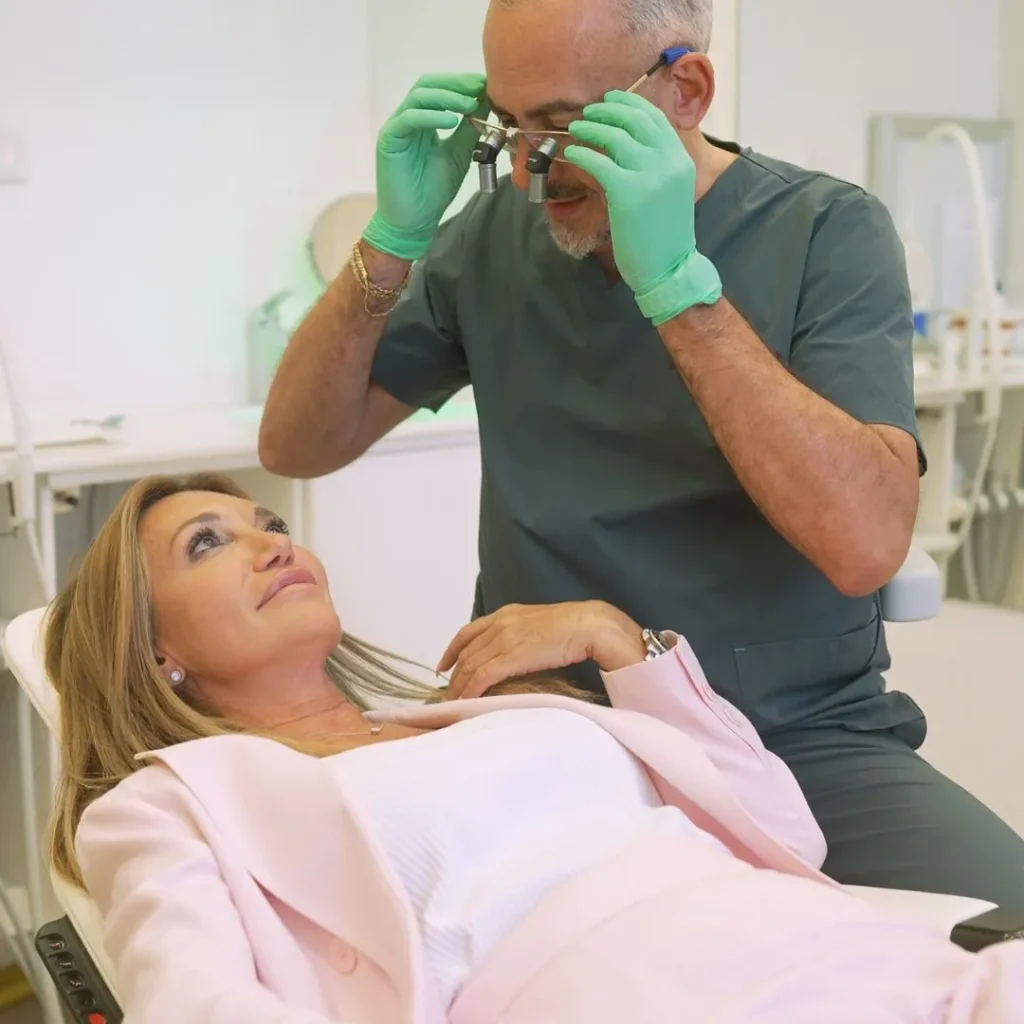
Discover how an aesthetic dentist refines shape, brightness, and harmony through responsible techniques such as bonding, veneers, aesthetic fillings, and whitening. This page guides you with clear explanations and showcases how structured planning leads to natural, long-lasting improvements tailored to your smile.

Learn how a root canal treatment preserves natural teeth by removing infection, restoring comfort, and protecting long-term function. This page explains symptoms, procedures, and benefits, helping you understand when endodontic care is needed and how certified professionals ensure precise, reliable treatment.

Why Pain or Sensitivity Can Return Over Time
Discomfort after an initial procedure is not always the result of treatment failure but can signal underlying issues such as microleakage, fractured restorations, or undetected bacterial pockets. Over time, even small imperfections allow bacteria to re-enter the tooth and cause inflammation. Patients may notice renewed sensitivity, swelling, pressure, or gum tenderness. These signs should never be ignored, as early intervention reduces the need for more complex solutions. With modern tools and precise techniques, root canal retreatment can address the source of pain and support full healing of the affected tooth.
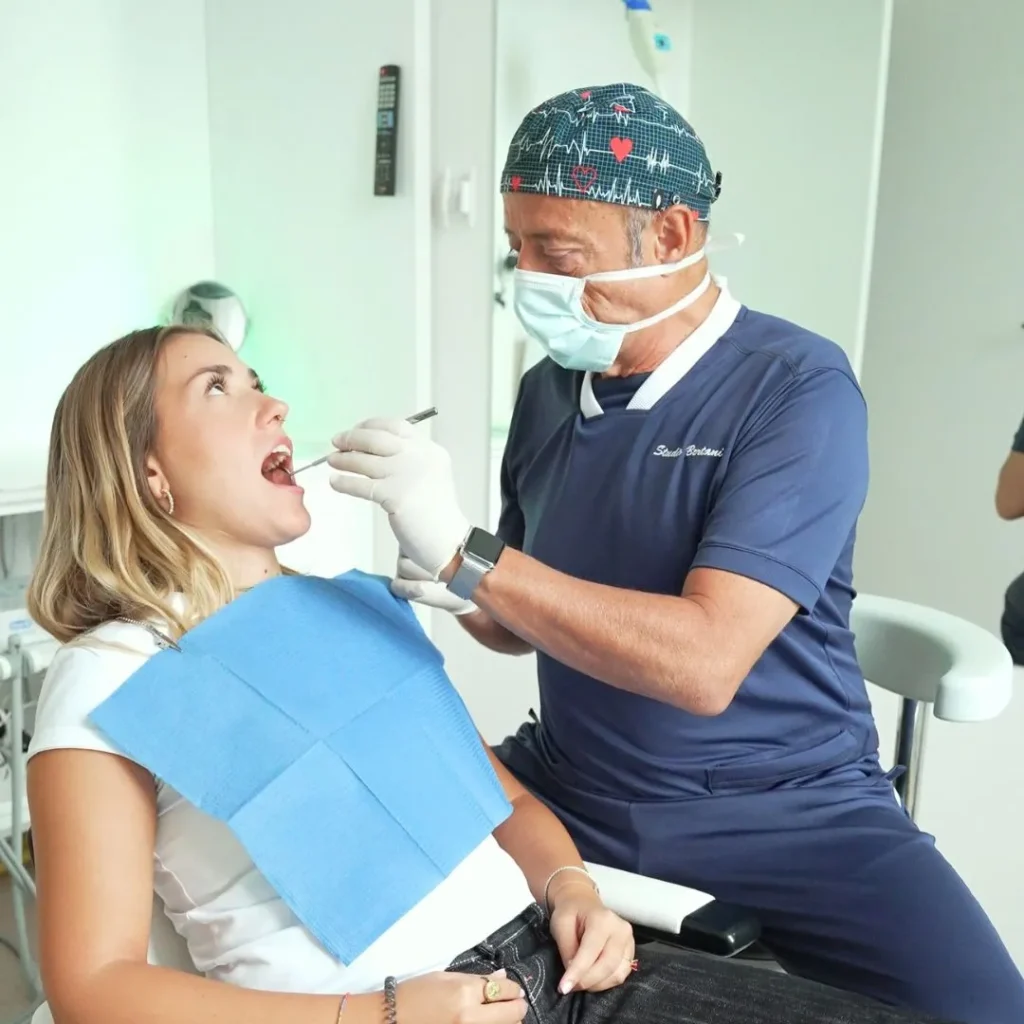

We’ve created a powerful web, a dynamic space where dental professionals exchange ideas, share insights and foster a sense of community. This network goes beyond geographical boundaries, for a diverse range of expertise.

We are at the forefront of dental science, providing a platform that empowers dentists with the latest advancements in the field. Our commitment to scientific rigor ensures that you receive the highest standard of care.

Style Italiano Family facilitates meaningful connections among colleagues in an environment where professionals can learn from each other, share experiences, and collectively elevate the standards of dental care.
How Retreatment Helps Save a Tooth from Extraction
Removing a tooth is rarely the first choice because it changes your bite, affects oral function, and can require costly replacements. Retreatment allows your dentist to remove old materials, eliminate infection, and rebuild a healthier foundation for the tooth. By preserving natural structure, you maintain chewing strength and protect neighbouring teeth from shifting. Many patients regain comfort quickly and avoid more invasive interventions. With root canal retreatment, keeping your natural teeth becomes a predictable, long-term solution even after complications arise from the first procedure.
Step-by-Step Process of Root Canal Retreatment
The procedure begins by reopening the tooth to remove existing filling materials and gain access to deeper areas. Specialised instruments clean, disinfect, and reshape the canals more thoroughly than before. Advanced irrigation techniques target bacteria hiding in complex anatomical spaces. After ensuring cleanliness and dryness, the canals are refilled with biocompatible material and sealed carefully. A new restoration or crown is often placed to strengthen the structure and prevent reinfection. Although more delicate than the initial treatment, root canal retreatment provides highly successful outcomes with proper follow-up.
How New Technologies Improve Success Rates
Modern dentistry uses tools such as digital radiography, 3D imaging, and enhanced magnification to detect problems that older techniques may have missed. These advances allow clinicians to see curved canals, tiny fractures, and hidden bacterial pathways with exceptional clarity. Improved irrigation systems and flexible instruments provide deeper cleaning while preserving tooth structure. Together, these innovations create safer, more predictable treatments. When guided by up-to-date protocols, root canal retreatment becomes a highly effective way to restore long-term tooth health and prevent recurrence.
When a Crown or New Restoration Is Needed After Retreatment
After reopening and cleaning the tooth, structural integrity must be reassessed. If previous decay or infection weakened the enamel, a crown may be necessary to protect the tooth from fracture. Replacing old or leaking restorations ensures proper sealing and prevents bacteria from re-entering. The new restoration is designed to withstand daily chewing forces and blend naturally with neighbouring teeth. Completing this step ensures the stability of the treated area and supports long-term success. Following root canal retreatment, a well-fitted crown often becomes essential for reliable function.
Find the closest dentist to you!
How to Care for a Retreated Tooth at Home
Proper aftercare helps stabilise your tooth and prevent reinfection. For the first 24 hours, avoid chewing on the treated side and follow any sensitivity-reducing instructions. Continue brushing and flossing gently to maintain hygiene. Slight tenderness is normal and should fade quickly. Attend all follow-up appointments so your dentist can monitor healing and secure the final restoration. Maintaining strong daily habits reduces the risk of bacteria entering the tooth again. After root canal retreatment, consistent home care supports predictable long-term results.
Choosing the Right Specialist for Retreatment Success
Because this procedure is more complex than an initial root canal, selecting a dentist or endodontist with advanced training is essential. Experience with microscopic techniques, modern imaging, and delicate canal negotiation improves accuracy and comfort. Look for a practitioner who explains each step clearly and provides tailored care. Reviews, case examples, and technology standards can help guide your decision. When performed by a skilled clinician, root canal retreatment offers excellent success rates and renewed confidence in the health of your restored tooth.
Follow Us!
Stay connected with the Style Italiano® community and explore insights, clinical discussions, and updates shared by our global network.
Follow us on social media to discover stories, educational content, and valuable perspectives that help you navigate your dental choices with clarity and confidence.

@styleitalianofamily


